AI Ops + Analytics Dashboards for Real Estate Agents
In real estate, speed and visibility win deals—but only when they’re backed by clarity.
Agents today generate more data than ever before: website traffic, listing views, form fills, calls, emails, texts, and ad performance. The challenge isn’t access to information—it’s knowing what matters, when to act, and where to focus next.
AI-powered operations and analytics dashboards bring order to that chaos. Instead of juggling reports, spreadsheets, and platforms, agents gain a centralized view of their business—one that highlights trends, flags risks, and surfaces opportunities in real time. This isn’t about replacing experience or instinct. It’s about giving them better inputs, faster feedback, and fewer blind spots.
This article is part of our AI Tools for Real Estate Agents: A Practical Guide for 2026, which explores how agents are using AI across writing, listing media, lead response, analytics, and reputation management.
🔗 View the full AI Tools for Real Estate Agents (2026) guide
TL;DR
AI ops and analytics dashboards help agents turn scattered marketing and listing data into clear, actionable insight.
By centralizing performance metrics, surfacing trends, and flagging opportunities in real time,
these tools support faster decisions, stronger follow-up, and more predictable outcomes—without replacing human judgment.
I. Why Ops & Analytics Matter Now
If you’re running your business off “a little CRM here” and “a spreadsheet there,” you’re not alone.
The downside is that scattered data creates scattered decisions—missed follow-ups, inconsistent marketing,
and no clear picture of what’s actually working.
Dashboards (done right) don’t just summarize. They create operational visibility:
what’s happening, what’s changing, and what requires action today.
↑ Back to top
II. What “AI Ops” Means in Real Estate

AI operations help agents identify priorities, patterns, and next steps across their business data.
AI Ops in One Sentence
AI ops helps agents see what needs attention before it becomes a problem—using patterns,
alerts, and automation instead of manual checks.
In practice, AI ops is the glue layer between tools—CRM, listing platforms, ad accounts,
email, and call tracking. It looks for signals and nudges you toward the next best action.
- It prioritizes: which leads need follow-up first (and why).
- It reduces friction: fewer manual checks, fewer copy/paste steps.
- It standardizes: consistent follow-up and pipeline visibility.
III. The Role of Analytics Dashboards
A Dashboard’s Only Job
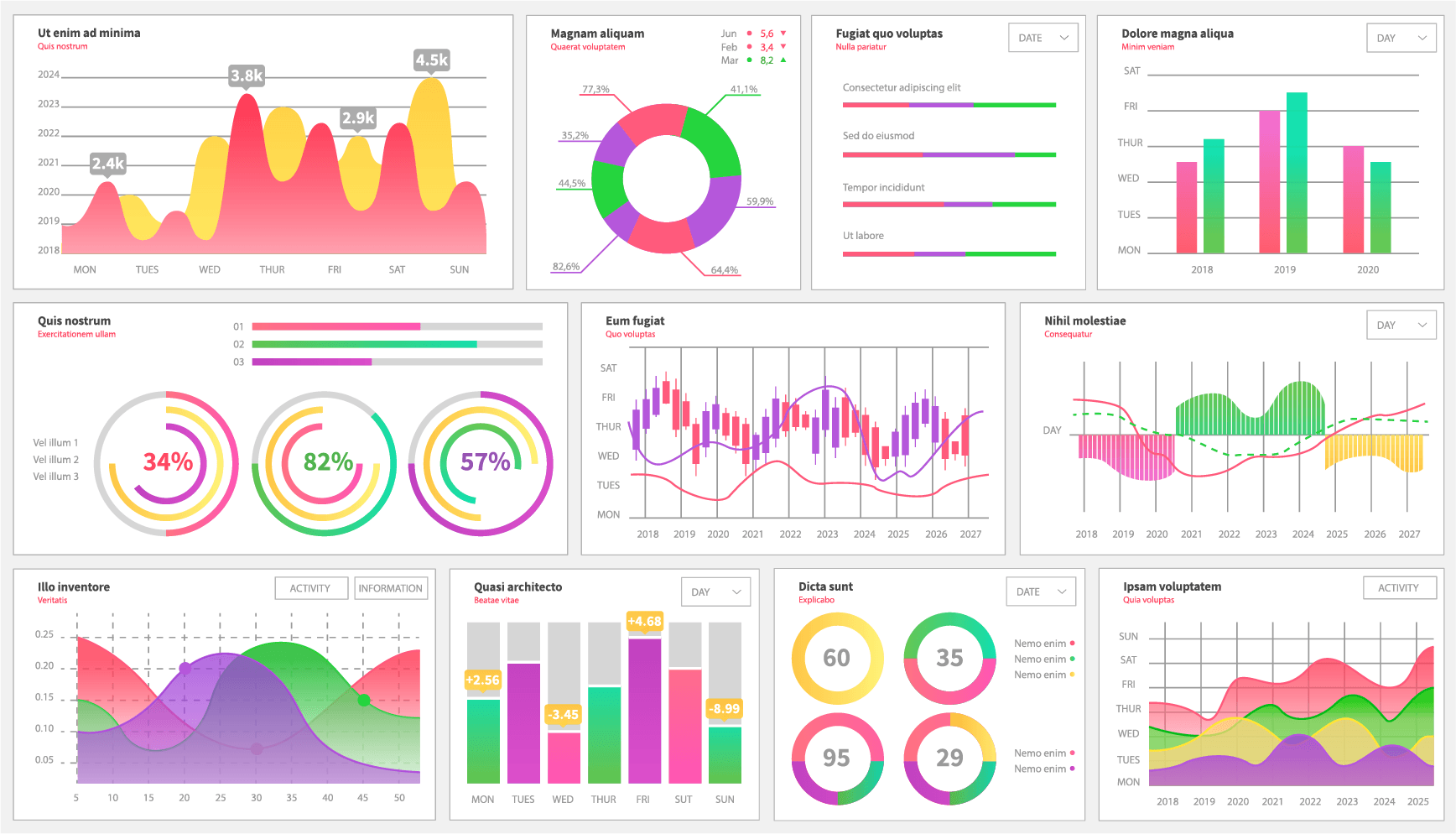
Dashboards bring key performance metrics into one view, helping agents understand what’s working and what needs attention next.
If it doesn’t tell you what to do next, it’s just a report.
- Centralizes: leads, listings, and marketing performance.
- Explains: what changed and why it matters.
- Triggers action: makes the next step obvious.
IV. Core Metrics That Actually Matter

Focus Metrics, Not Vanity Metrics
Track lead quality, response time, listing engagement signals, and funnel drop-off.
Everything else is noise.
- Lead Quality: which sources produce real conversations.
- Response Time: how quickly inquiries get a real reply.
- Listing Engagement: views, saves, inquiry rate.
- Pipeline Velocity: inquiry to showing to offer.
- Drop-Off Points: where prospects stall.
V. How AI Enhances Dashboards
AI operations help agents identify priorities, patterns, and next steps across their business data.
What AI Adds to Analytics
AI doesn’t just show data—it interprets it.
That means earlier warnings, smarter prioritization,
and recommendations based on what’s worked before.
- Predictive signals: identifies high-intent behavior.
- Early warnings: flags underperforming listings.
- Smarter timing: suggests when to follow up.
- Budget clarity: highlights converting channels.
VI. Daily Workflow Integration
Adoption Rule of Thumb
Dashboards work best when they live inside tools agents already use—not as another login to remember.
- CRM-embedded dashboard panels.
- Alerts for high-intent behavior.
- Automatic follow-up task creation.
VII.Trust, Data Quality, and Human Oversight
AI Is a Co-Pilot, Not Auto-Pilot
Clean data and human oversight are non-negotiable.
The best results come from combining experience with machine-driven insight.
↑ Back to top
VIII. Practical Takeaways
- Start small: improve one dashboard view first.
- Define success: choose 2–3 metrics that matter.
- Make it actionable: every dashboard needs a next step.
- Keep humans in charge: AI supports decisions.

Bottom Line
Agents who invest in operational visibility gain a competitive edge—because clarity compounds faster than effort.
Conclusion
The most effective agents don’t work harder—they operate smarter.
AI-driven ops and analytics dashboards transform raw activity into actionable insight, helping agents respond faster, spot issues earlier, and make confident decisions backed by data. When thoughtfully implemented, these tools reduce friction, improve consistency, and support sustainable growth—without adding complexity to daily workflows.
As AI continues to mature, dashboards will evolve from reporting tools into strategic partners. Agents who invest early in clear, trustworthy operational visibility will be better positioned to adapt, compete, and scale—while still relying on the human judgment that closes deals and builds trust.
Examples: Common Dashboard & AI Ops Tools (Informational)
Agents new to AI often start by testing one tool on a single task.
CRM + Real Estate Platforms
The tools below are provided as examples only to illustrate common categories and capabilities.
Inclusion does not imply endorsement, partnership, or recommendation.
Analytics & Business Intelligence Dashboards
Marketing Measurement & Data Sources
Call Tracking & Attribution
Automation & Integration Tools
AI Tools for Real Estate Agents — Full Series
-
- Overview: Trending AI Tools for Real Estate Agents in 2026
- Part 1: AI Writing & Messaging Tools for Real Estate Agents
- Part 2: AI Tools for Listing Media: Photos, Staging & Video
- Part 3: AI Lead Response & Follow-Up Automation for Real Estate
- Part 4: AI Operations & Analytics Dashboards for Real Estate Agents
- Part 5: AI Trust, Reviews & Reputation Tools for Real Estate


0 Comments