More Than Shade
Awnings are often viewed as purely functional—something to block sun, shed rain, or meet a basic architectural need. But in commercial environments, awnings play a much bigger role. They shape first impressions, extend brand visibility, and influence how a storefront is perceived before a customer ever reaches the door.
From illuminated awnings that keep a brand visible after dark to fabric awnings that communicate permanence and craftsmanship, the right choice does more than provide cover. It reinforces identity, signals professionalism, and supports the overall signage system working together on a building.
When designed correctly, an awning isn’t an add-on. It’s part of the brand architecture.
↑ Back to top
Awnings as Brand Architecture
A storefront does a lot of silent work. Long before a customer reads a sign or steps inside, they’re making assumptions—about quality, consistency, and credibility. Awnings play a key role in that split-second judgment.
A well-designed awning frames the entrance, draws the eye to the business name, and gives the building visual depth. It helps anchor signage within the architecture rather than le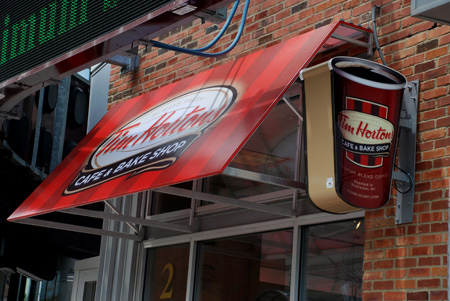 aving it to float on a wall. In multi-tenant buildings or busy commercial corridors, awnings can be the element that separates one business from the next.
Just as importantly, awnings signal permanence. They suggest a business that plans to be there tomorrow, next year, and well beyond.
Material Choice Is a Branding Decision
Not all awnings communicate the same message, and material choice plays a major role in how a brand is perceived. The materials used determine how light is diffused, how colors appear in different conditions, and how well the awning maintains its appearance over time. Beyond aesthetics, material selection affects durability, maintenance, and long-term performance—factors that influence whether an awning continues to support a brand or slowly works against it. Choosing the right material isn’t just a technical decision; it’s a strategic one that shapes how a business is experienced day after day.
↑ Back to top
Backlit and Digitally Printed Awnings
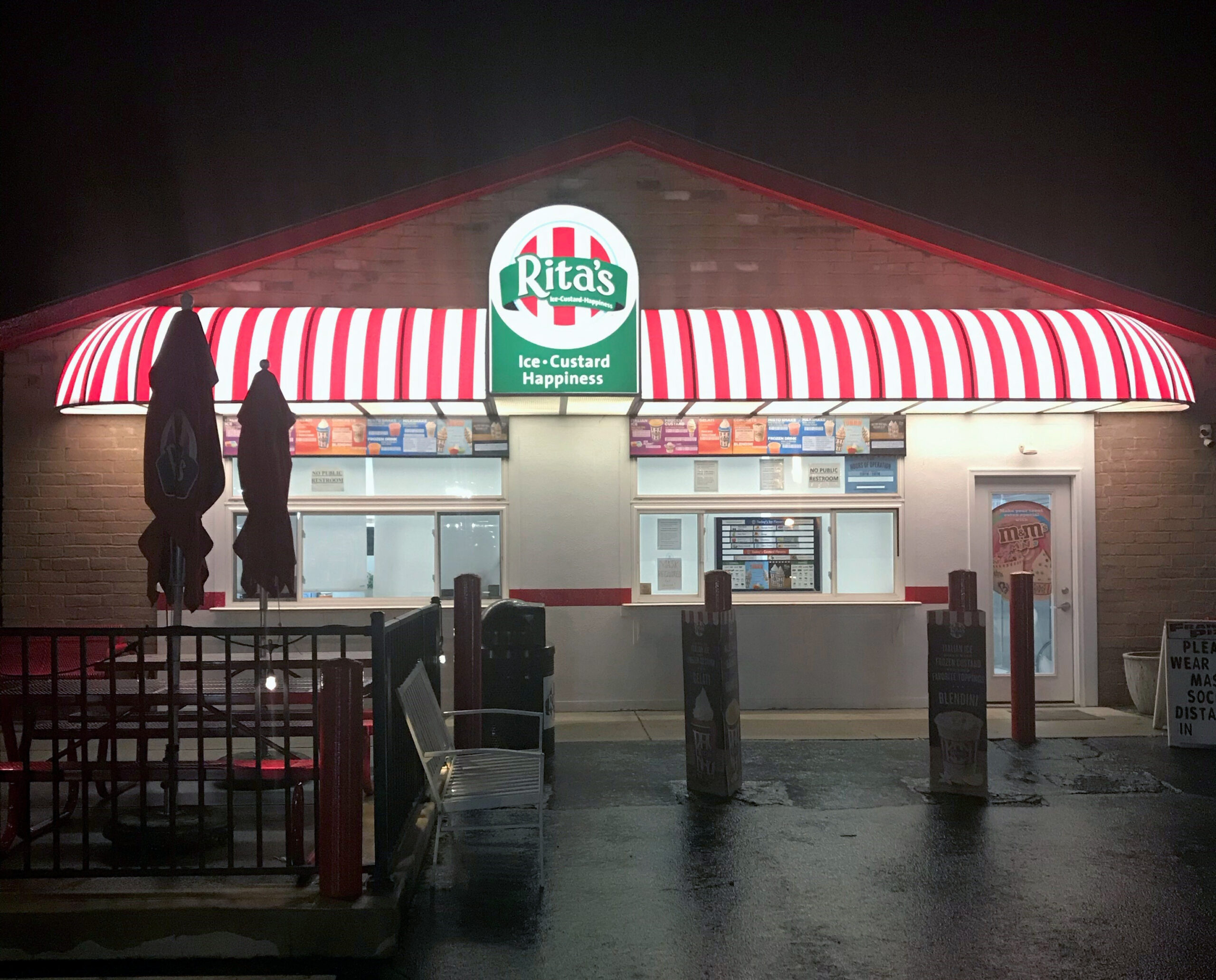
Illuminated awnings are designed for visibility around the clock. During the day, they present clean color and branding. At night, they continue working when many signs fade into the background.
Digitally printable backlit materials allow logos, typography, and brand colors to remain consistent with other signage elements. The material itself is engineered to diffuse light evenly, reducing hot spots while enhancing legibility. This makes backlit awnings especially effective for restaurants, retail storefronts, and franchise environments where nighttime visibility is critical.
These systems are also produced with safety and performance in mind, meeting fire-resistance and durability standards required for commercial installations.
↑ Back to top
Eradicated Backlit Awnings
 Eradicated awnings offer a more controlled, refined look. Rather than printing full-color graphics, these awnings use a solid background color with logos and design elements added through eradication and inlay.
This approach creates crisp edges and a clean presentation that works well for brands that value simplicity and consistency. The construction includes high-strength polyester scrim embedded in cast PVC, which provides stability during tensioning and helps the awning maintain its shape over time.
The result is strong light diffusion that enhances visibility while minimizing distractions—an ideal solution for everyday commercial signage where clarity matters more than complexity.
↑ Back to top
Decorative Fabric Awnings
Fabr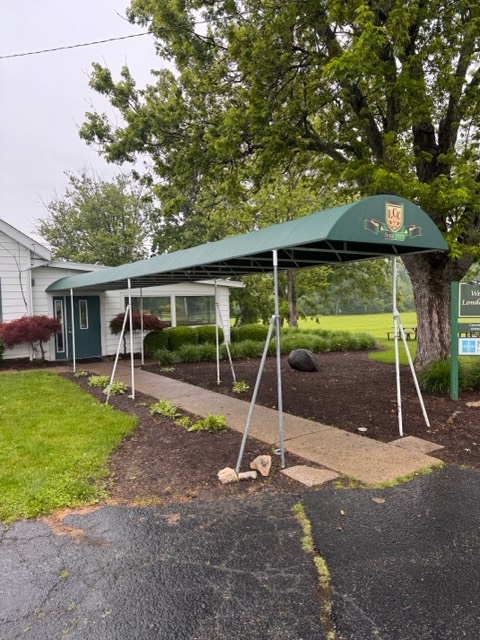 ic awnings communicate tradition, craftsmanship, and longevity. Solution-dyed acrylic fabrics are engineered so color is locked into the fibers themselves, not applied to the surface. That means superior resistance to fading, mildew, and weather exposure.
These awnings perform well in a wide range of environments while maintaining a softer, more architectural appearance. They’re often chosen for professional offices, historic districts, hospitality spaces, and businesses that want a timeless aesthetic rather than an illuminated one.
Fabric awnings don’t compete for attention. They support the brand quietly and consistently.
Choosing the Right Awning for Your Space
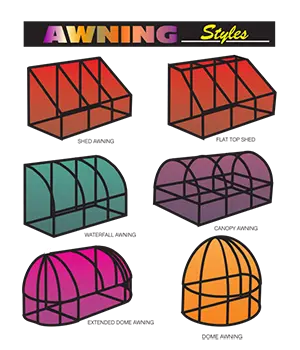 The best awning choice isn’t about trends—it’s about alignment with the building, the brand, and how the space is used.
Illuminated and digitally printed awnings work best when visibility and nighttime presence are priorities. Eradicated awnings suit brands that want precision and restraint. Fabric awnings are ideal when texture, tradition, and long-term appearance take precedence.
Each option tells a different story. Choosing the right one ensures that story supports the brand rather than undermining it.
↑ Back to top
Performance, Compliance, and Longevity
Behind every finished awning are decisions that affect how it performs years after installation. Commercial awning materials are selected to resist sagging, staining, fungal growth, and UV degradation. Structural components are designed for proper tensioning and light diffusion. Compliance with fire and safety standards protects both the business and the building.
These details may go unnoticed by customers—but they’re exactly what determines whether an awning continues to strengthen a brand or becomes a liability over time.
When Shade Becomes Strategy
Awnings have been part of commercial buildings for generations, and they’ve endured for a reason. They solve real problems—light, weather, comfort—while quietly shaping how a business is experienced from the street.
What’s changed is expectation. Today’s awnings are engineered for performance, built with advanced materials, and designed to work in harmony with signage, lighting, and architecture. Whether illuminated, digitally printed, eradicated, or fabric-based, the right awning choice strengthens visibility, consistency, and long-term brand perception.
Shade is just the baseline.
When awnings are specified with intention, they become a strategic asset—one that works every day, in every season, long after installation.
0 Comments