Walk through any downtown at night and you’ll see both: the warm glow of traditional neon and the crisp brightness of modern LED signage. From retro diners to corporate storefronts, both technologies illuminate businesses. But they are not the same — not in construction, not in performance, and certainly not in long-term cost.
For business owners, the decision isn’t just about appearance. It’s about durability, maintenance, energy use, and how a sign performs five years after installation — not just the night it’s switched on.
Neon has history and undeniable character. LED has efficiency and longevity on its side. Understanding the difference between the two isn’t about trends. It’s about choosing the right solution for your brand, your budget, and your building.
What Traditional Neon Signs Really Are
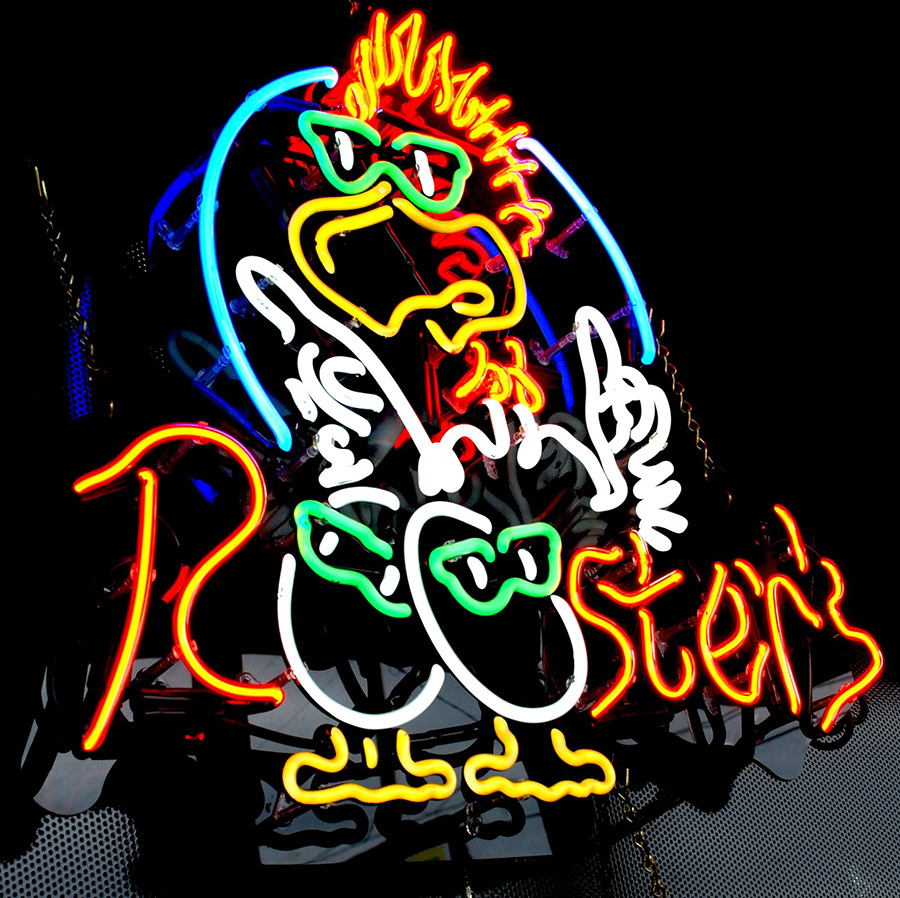
Traditional neon signage uses hand-shaped glass tubing filled with gas to create its continuous glow.
Traditional neon signage dates back to the early 1900s. The technology hasn’t fundamentally changed since.
A traditional neon sign is made from hand-bent glass tubing, filled with inert gases such as neon or argon, and electrified using high-voltage transformers. When electricity passes through the gas, it emits light. Different gases and coatings produce different colors. Neon is craftsmanship. Each tube is shaped by hand. The glow is continuous, warm, and unmistakable.
But craftsmanship comes with trade-offs.
Energy Use
Traditional neon typically consumes 3 to 20 watts per foot, depending on tube diameter and transformer type, and operates at roughly 3,000 to 15,000 volts. Compared to modern lighting systems, that is a significant power draw.
Lifespan
Industry averages place neon lifespan at approximately 8,000 to 15,000 hours. Over time, tubes can dim due to gas depletion or electrode wear.
 Durability
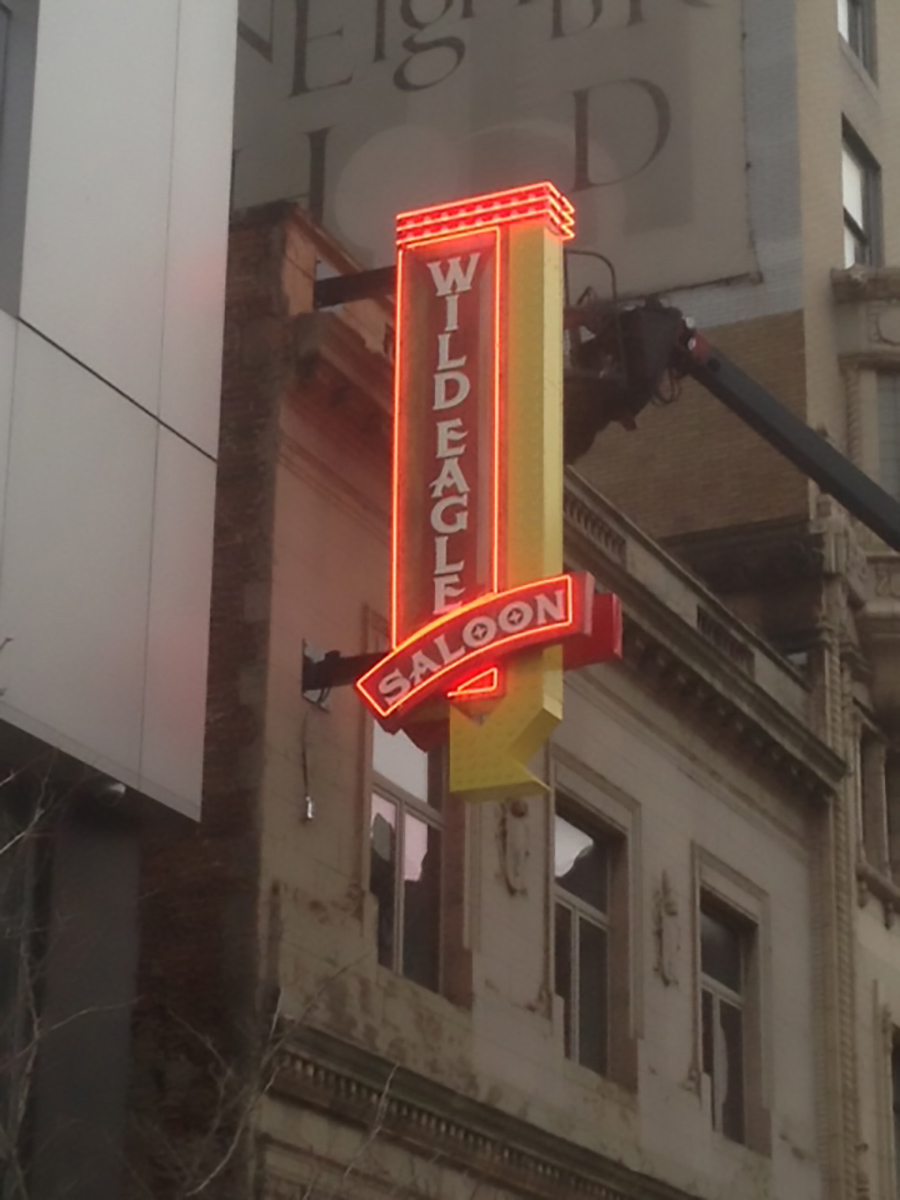
Glass is fragile. Exterior installations are vulnerable to vibration, impact, and temperature changes. Repairs require skilled technicians and often involve replacing entire sections of tubing.
Neon remains beautiful. But from a performance standpoint, it requires more energy and more maintenance than most modern alternatives.
How Modern LED Signage Works
LED stands for Light Emitting Diode. Unlike neon, LEDs are solid-state lighting components — no gas, no glass tubes, and no high-voltage transformers.
Modern commercial LED signage typically operates at 12 to 24 volts and is built using modular components that can be individually replaced if needed.
Energy Use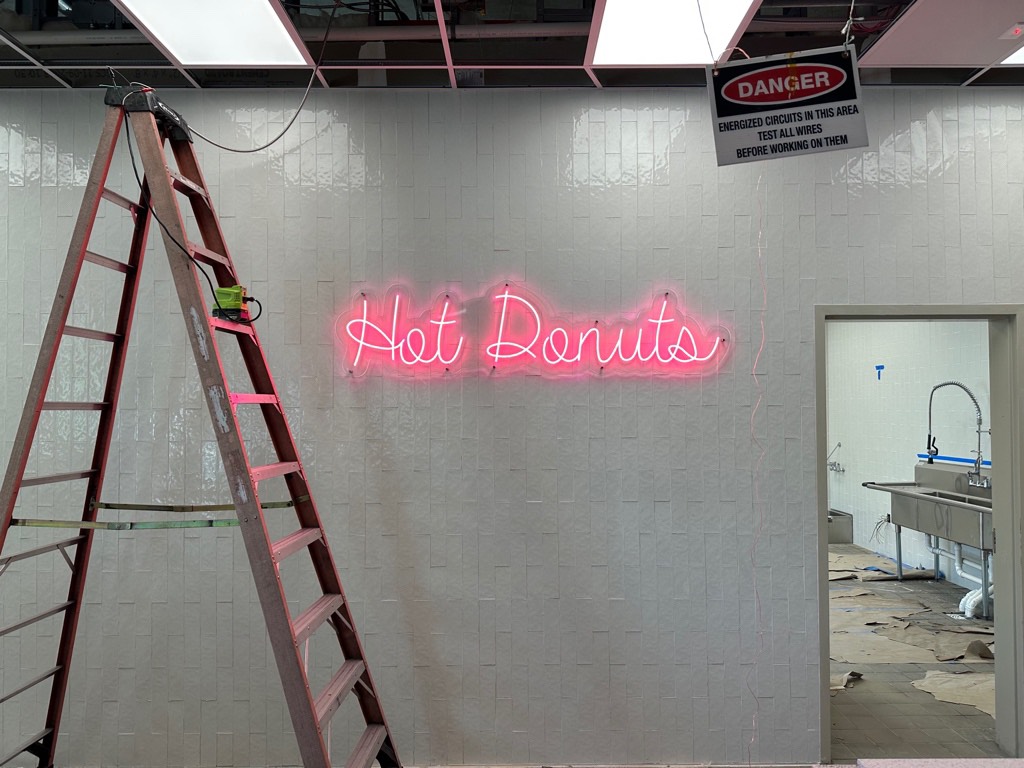
LED neon flex systems typically consume 1 to 5 watts per foot. In many applications, LED systems use 30–70% less electricity than traditional neon for comparable brightness levels.
For a business running illuminated signage 10–12 hours per day, that difference compounds quickly over the course of a year.
Lifespan
Commercial-grade LED systems are commonly rated for 30,000 to 50,000 hours, roughly 2 to 4 times the lifespan of traditional neon under similar operating conditions.
Brightness
Neon typically produces roughly 400–800 lumens per meter, depending on color and configuration. LED systems can exceed 1,000–2,000+ lumens per meter, allowing for stronger daytime visibility and better roadside performance. This difference matters for storefronts and monument signs exposed to full daylight.
Side-by-Side Performance Comparison
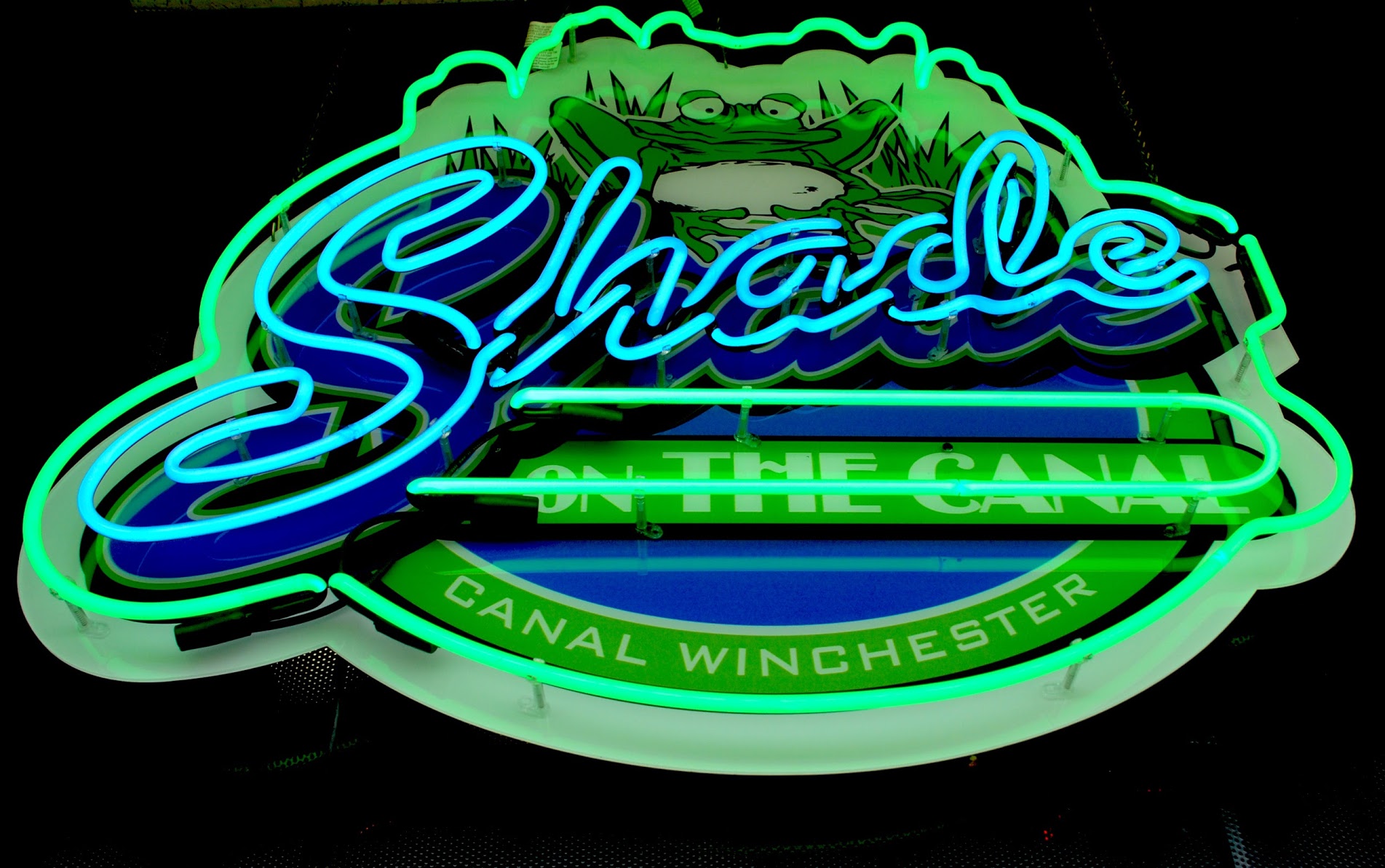
Modern LED systems can replicate the look of neon while improving lifespan and energy efficiency.
- Operating Voltage: Neon: 3,000–15,000 volts | LED: 12–24 volts
- Energy Consumption: Neon: 3–20 watts per foot | LED: 1–5 watts per foot
- Average Lifespan: Neon: 8,000–15,000 hours | LED: 30,000–50,000 hours
- Brightness Output: Neon: 400–800 lumens per meter | LED: 1,000–2,000+ lumens per meter
- Maintenance: Neon requires specialty repair and is vulnerable to glass breakage | LED allows sectional replacement and easier service access
- Durability: Neon uses fragile glass tubing | LED uses solid-state components more resistant to vibration and weather
The data consistently favors LED for commercial durability and operational efficiency.
Where Neon Still Makes Sense
Neon remains the right choice for retro-themed diners and bars, boutique interiors where ambiance matters more than output, and historic districts where authenticity is required. The continuous glow of true neon cannot be perfectly replicated. If atmosphere is the primary goal and maintenance is understood as part of ownership, neon has its place. It is an aesthetic choice.
Where LED Is the Smarter Commercial Investment
For storefront channel letters, monument signs, cabinet signs, corporate exterior branding, and high-visibility roadside signage, LED provides measurable advantages: lower long-term energy costs, longer operational lifespan, greater brightness control, reduced service interruptions, and easier compliance with modern electrical standards. Learn more about our illuminated sign solutions and how we design for long-term performance.
In practical commercial environments, performance and durability matter more than nostalgia.
What We See After Five Years in the Field
When signs operate daily for years, the difference becomes clear. Neon installations are more likely to require service calls as transformers age and tubes dim. LED systems, when properly installed, typically continue operating with minimal maintenance. Module replacement, when needed, is often faster and more cost-effective than glass tube repair. Over time, total cost of ownership favors LED in most commercial settings.
While this comparison focuses on measurable performance differences, many business owners are also choosing LED for operational and branding reasons. We explore that shift in more detail in our article on why modern businesses are making the switch from neon to LED.
Final Recommendation: Choose Based on Purpose
Lighting technology has evolved, but business fundamentals have not. Your sign must be visible, reliable, and cost-effective year after year. That’s not nostalgia — that’s operations.
Neon remains a powerful artistic medium. Its glow is authentic, and in the right environment, it creates atmosphere that LED cannot perfectly duplicate. But it is a specialty solution that comes with higher energy consumption, greater fragility, and shorter average lifespan.
LED, by measurable standards, delivers stronger performance for most commercial applications. It uses less electricity, operates at lower voltage, lasts significantly longer, and withstands weather and vibration more effectively. For exterior storefronts, monument signs, and high-visibility branding, those advantages compound over time.
When choosing between neon and LED, the real question isn’t which one looks better on opening night. It’s which one will still be performing reliably five years from now.
For most modern businesses, the numbers make the decision clear. Choose atmosphere if that’s the goal. Choose performance if that’s the priority. If you’re planning a new sign or upgrading existing lighting, request a quote to compare options based on your building and visibility needs. Businesses considering new signage should also understand why printed signs still matter in a digital world.
1 Comment
Neon vs. LED Signs: Why Modern Businesses Are Making the Switch - The Power of Signs · February 19, 2026 at 6:35 pm
[…] looking for a detailed breakdown of energy use, lifespan, and brightness comparisons, read our full neon vs LED comparison guide. ↑ Back to […]